Volare
Protein & lipids
Latest round: €26M
Invested in: 2025
Investors: Maki.vc
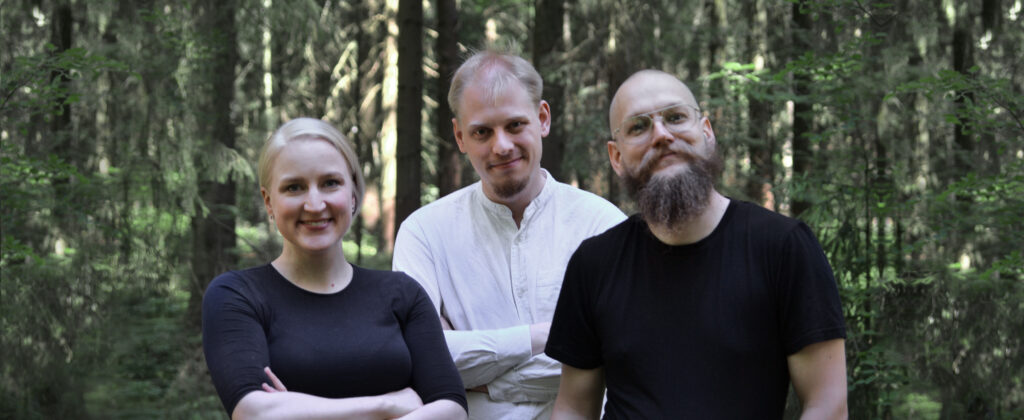
Founders: Tuure Parviainen and Matti Tähtinen
The circular approach for producing protein & lipids
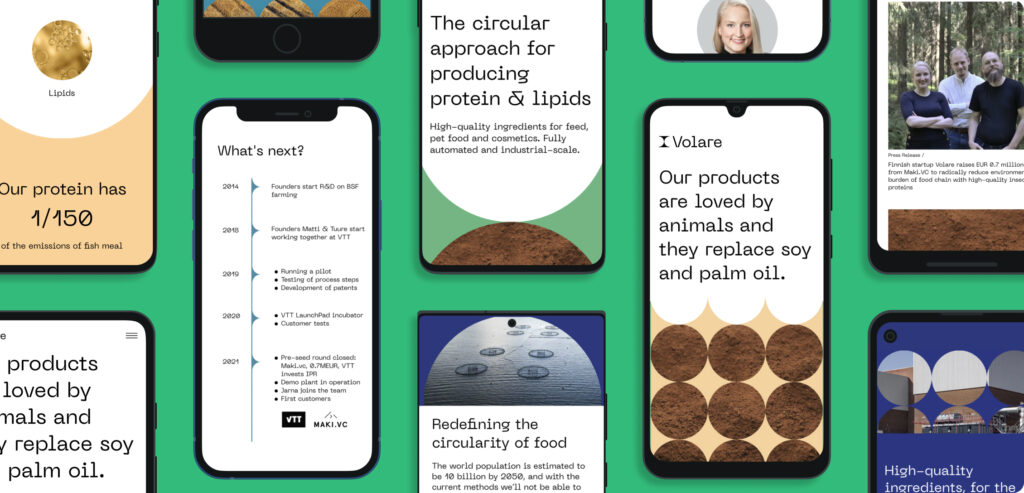
Insect proteins can significantly reduce the environmental load of animal feed, pet food and cosmetics industries. With the purest form of circularity, Volare radically reduces the environmental burden of the food chain.
Volare uses food production side streams, such as non-edible parts of grains, to produce high-quality proteins and oils in order to replace other animal proteins, soy and palm oil. 100% new products, 0% new side streams.
“Volare can turn waste streams into valuable proteins without straining the environment, and their team is an excellent combination of research and customer expertise.”
Paavo Räisänen
Partner at Maki.vc
100% new products, 0% new side streams.
Volare is a spin-off from Finland’s VTT Technical Research Centre of Finland. The founders came together while developing a highly effective process to make black soldier fly farming suitable for industrial scale.
Now this tech serves as a backbone for Volare’s process to utilize food side streams. Today, the team of engineers, agronomists, operators and researchers combine decades of experience in the industry and research – ready to build a truly circular food industry.
“Our production makes use of upcycling, which is circular economy at its purest. The value of the upcycled material grows without any waste.”
Matti Tähtinen
Co-founder & CTO at Volare
Founders
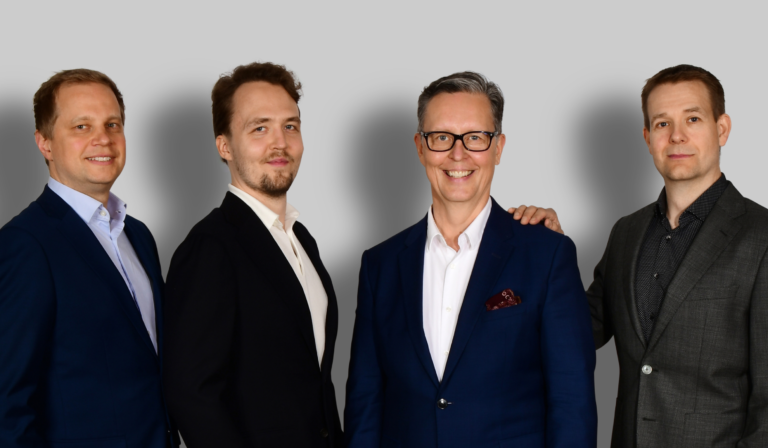
Founders Tuure Parviainen and Matti Tähtinen met at VTT
Tuure has several years of experience in management, research, waste bioprocessing, and agriculture. Matti has been delivering complex system solutions across multiple industries for 10 years, and founded CO2Esto in 2016.
Commercial-scale plant
Volare’s solution has attracted interest among commercial fish feed and pet food manufacturers. The company already has a pilot plant up and running and is aiming for rapid growth. The company’s goal is to start the construction of a commercial scale production plant in 2023 and to subsequently build several plants in Europe every year. For example, one commercial establishment can feed 4.75 million salmon per year.